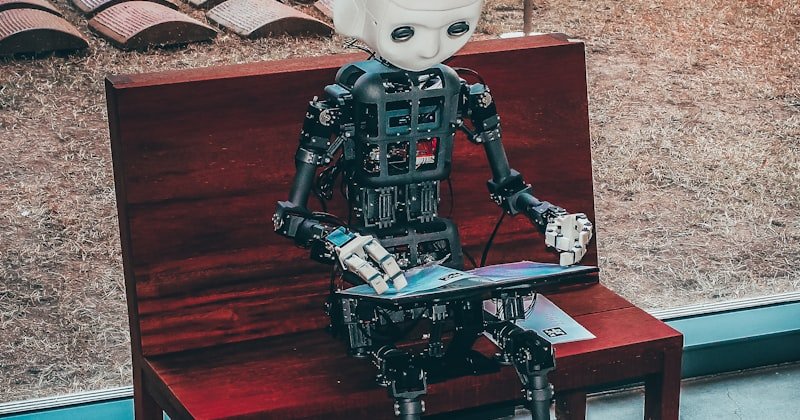
Text, images, audio, video, and documents in one model — multimodal AI has quietly become the default, not the exception. Here's where it's creating real value.
It's easy to miss how fast this happened: in under two years, "AI model" quietly stopped meaning "text in, text out." The frontier models businesses use today natively understand images, audio, video, and documents in the same context window as text — and that single change has unlocked use cases that simply didn't exist before.
What "Multimodal" Actually Unlocks
- Reading a scanned invoice, a handwritten form, and a product photo in one request — no separate OCR pipeline needed
- Watching a video and producing a structured summary, transcript, and key-moment timestamps in one pass
- Listening to a customer call and generating sentiment, action items, and CRM-ready notes simultaneously
- Comparing a design mockup against a live website screenshot to flag visual regressions automatically
Industries Seeing the Biggest Impact
Retail and eCommerce
Visual search ("find me this couch, but in blue") and automated product tagging from photos alone have moved from research demos to standard checkout features. Returns processing now often starts with a customer photo, classified instantly without a human reviewer.
Healthcare
Multimodal models cross-reference imaging (X-rays, scans), lab reports, and physician notes in a single query, surfacing inconsistencies a time-pressed clinician might miss — always as a second opinion, never a replacement for diagnosis.
Insurance and Claims
Damage assessment from submitted photos and videos, cross-checked against policy documents, has cut initial claims triage time from days to minutes for straightforward cases.
The common thread: any workflow that used to require a human to "look at something and then type something" is now a candidate for multimodal automation.
Building With Multimodal Models: What to Know
- 1Token cost scales with media size — a 10-minute video costs meaningfully more than a paragraph of text
- 2Image and video understanding is strong but still misses fine print and small text reliably — pair with OCR for critical accuracy
- 3Latency for video/audio analysis is higher than text — design UX with async processing, not instant responses
- 4Always validate high-stakes outputs (medical, legal, financial) with a human reviewer before acting on them
If your business still treats "AI" as a text chatbot, you're likely missing the bigger opportunity sitting in your photos, call recordings, scanned documents, and video footage — all of which are now directly queryable.